Exploring the Sundarbans: A Traveler's Guide to the World's Largest Mangrove Forest
May 06, 2026
|
sundarbans
wildlife
mangrove
unesco
nature
<h2>A Forest That Breathes with the Tides</h2>
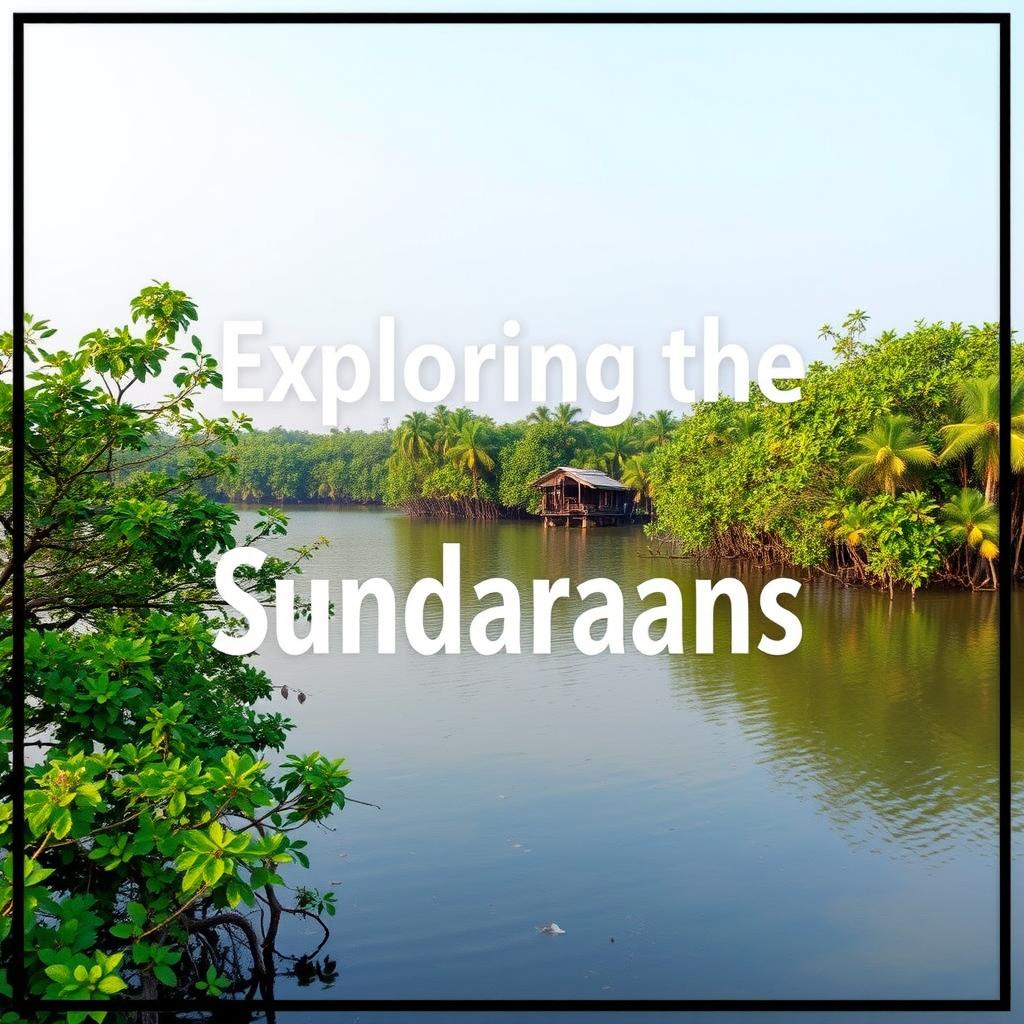
<p>The Sundarbans is not a forest you walk through — it's a forest you navigate by boat, a vast labyrinth of tidal waterways, mudflats, and islands covered with salt-tolerant mangrove trees. Spanning 10,000 square kilometers across Bangladesh and India — with 6,017 square kilometers on the Bangladesh side — it's the single largest mangrove forest on Earth and a UNESCO World Heritage Site since 1997.</p>
<p>What makes the Sundarbans unique isn't just its size but its ecology. The forest literally breathes with the tides: twice daily, seawater floods the lower forest floor, and the mangrove trees — primarily sundri, gewa, goran, and keora — have evolved aerial root systems that rise above the water like architectural sculptures. This tidal zone creates one of the most biologically productive ecosystems in the world, supporting 260 bird species, 120 species of fish, 35 reptile species, and the estimated 114 Royal Bengal Tigers that are the forest's most famous — and most elusive — residents.</p>
<h2>Planning Your Sundarbans Trip</h2>
<p>Unlike most Bangladesh tourist destinations, you can't simply show up at the Sundarbans. Entry requires a permit from the Forest Department, best arranged through a licensed tour operator. Solo visits are technically possible but impractical — you need a boat, a guide who knows the waterways, and Forest Department clearance. Tour packages from licensed operators range from ৳5,000-15,000 per person for 2-3 day trips to ৳25,000-50,000 for premium 5-day expeditions.</p>
<p>The best time to visit is November through February when weather is cool and dry, wildlife is most active at water sources, and river conditions are calm. The monsoon season from June to September sees high water levels that submerge many trails and viewing platforms, though the forest's lush green intensity during this period is extraordinary. March to May is hot and humid but sees less tourist traffic.</p>
<p>Tour operators depart from three primary gateway towns. Khulna, the divisional capital, is the most popular starting point with the most tour operator options. Mongla, the port town 48 kilometers south of Khulna, offers quicker access to the forest. Satkhira on the western edge provides access to less-visited sections of the forest. From Dhaka, reach Khulna by overnight launch service along the Padma and Rupsha rivers — a journey that is itself a remarkable experience — or by bus in 7-8 hours, or by domestic flight in 45 minutes.</p>
<h2>What You'll See: Wildlife and Landscapes</h2>
<p>Let's address the tiger question first: most visitors do not see a Royal Bengal Tiger. The Sundarbans' 114 tigers roam across 6,000 square kilometers of dense forest, and they are masters of camouflage. Tiger sighting probability on a typical 3-day tour is estimated at 5-10%. But you'll almost certainly see tiger pugmarks in the mud along riverbanks, and your guide will point out claw marks on tree trunks — reminders that you're sharing the forest with one of the world's most powerful predators.</p>
<p>What you will see in abundance: spotted deer (chital) grazing on riverbanks in herds of 20-50, wild boar rooting through mudflats, rhesus macaques swinging through the canopy, water monitors — massive lizards up to 2 meters long — basking on sunny banks, and if you're fortunate, the rare Irrawaddy dolphin surfacing in the channels. The birdlife is extraordinary: white-bellied sea eagles soaring overhead, kingfishers in electric blue diving from overhanging branches, and flocks of egrets turning riverside trees white with their numbers.</p>
<p>The landscape itself is the main attraction for many visitors. Cruising through narrow channels where mangrove roots create cathedral-like archways, watching the sunset paint the sky orange over endless flat water, hearing nothing but bird calls and the gentle lapping of tides against your boat's hull — these experiences create a sense of wilderness that's increasingly rare anywhere in the world, let alone in densely populated Bangladesh.</p>
<h2>Tour Formats and What to Expect</h2>
<p>Most tour operators offer three standard formats. The budget tour of 2 days and 1 night uses smaller country boats with basic covered sleeping areas. You'll visit Karamjal Wildlife Center — a Forest Department facility with a deer breeding program and short walking trails — and cruise through the main channels. Meals are cooked on the boat. Expect basic facilities: no private cabins, shared washing area, simple but filling Bangladeshi meals. Price: ৳5,000-8,000 per person including transport from Khulna, permits, meals, and guide.</p>
<p>The standard tour of 3 days and 2 nights uses larger launches with private or semi-private cabins, a dedicated cook, and a more extensive itinerary covering Harbaria, Katka, and Kochikhali. These trips venture deeper into the forest where wildlife sighting chances increase significantly. Most include stops at watchtowers — elevated wooden platforms that provide panoramic views over the forest canopy and are the best locations for spotting deer, wild boar, and occasionally tigers at the water's edge. Price: ৳10,000-15,000 per person.</p>
<p>Premium tours of 4-5 days use well-appointed vessels with air-conditioned cabins, Western-style toilets, and professional naturalist guides. These trips cover the forest's most remote sections including the Dublar Char fishing island and the eastern Chandpai range. Some premium operators offer kayaking through narrow creeks — a heart-pounding experience when you realize a tiger could be ten meters away behind the mangrove curtain. Price: ৳25,000-50,000 per person.</p>
<h2>Essential Packing and Preparation</h2>
<p>The Sundarbans is not a luxury resort — it's genuine wilderness, and packing appropriately makes the difference between comfort and misery. Bring insect repellent with high DEET concentration — mosquitoes in the Sundarbans are legendary in both number and aggression. Long-sleeved shirts and full-length trousers in light, breathable fabric are essential, even in warm weather, to protect against sun and insects.</p>
<p>Waterproof bags for your electronics are critical. Even in dry season, spray from boat travel, morning dew, and the constant humidity can damage cameras and phones. Bring binoculars — even inexpensive ৳2,000-3,000 models dramatically enhance wildlife viewing. A flashlight or headlamp is essential for nighttime on the boat, as there's no electricity beyond what the boat's generator provides during limited evening hours.</p>
<p>Sunscreen is non-negotiable. The reflective water surface intensifies UV exposure, and sunburn is the most common tourist complaint. Bring medications you might need — the nearest hospital is hours away by boat. Motion sickness pills are advisable if you're prone to seasickness, as river conditions can be choppy, particularly during channel crossings.</p>
<h2>Conservation and Responsible Tourism</h2>
<p>The Sundarbans faces mounting pressure from climate change, upstream water diversion, pollution, and illegal logging and poaching. Sea level rise of 3-5mm annually is gradually converting freshwater zones to saline, threatening the sundri trees that give the forest its name. The Rampal coal power plant, under construction 14 kilometers from the forest's northern boundary, has generated international controversy over potential air and water pollution impacts.</p>
<p>As a visitor, you can contribute to conservation through simple practices. Choose tour operators who hold valid Forest Department licenses and follow designated routes — unlicensed operators often enter restricted zones, disturbing wildlife and damaging sensitive habitats. Don't litter — pack all waste out. Never feed wildlife. Keep noise levels low, especially near known wildlife areas. The entrance fees you pay — ৳1,500 for foreigners, ৳150 for Bangladeshis — fund Forest Department conservation programs, making responsible tourism a direct contribution to the Sundarbans' survival.</p>
<p>The Sundarbans is not a forest you walk through — it's a forest you navigate by boat, a vast labyrinth of tidal waterways, mudflats, and islands covered with salt-tolerant mangrove trees. Spanning 10,000 square kilometers across Bangladesh and India — with 6,017 square kilometers on the Bangladesh side — it's the single largest mangrove forest on Earth and a UNESCO World Heritage Site since 1997.</p>
<p>What makes the Sundarbans unique isn't just its size but its ecology. The forest literally breathes with the tides: twice daily, seawater floods the lower forest floor, and the mangrove trees — primarily sundri, gewa, goran, and keora — have evolved aerial root systems that rise above the water like architectural sculptures. This tidal zone creates one of the most biologically productive ecosystems in the world, supporting 260 bird species, 120 species of fish, 35 reptile species, and the estimated 114 Royal Bengal Tigers that are the forest's most famous — and most elusive — residents.</p>
<h2>Planning Your Sundarbans Trip</h2>
<p>Unlike most Bangladesh tourist destinations, you can't simply show up at the Sundarbans. Entry requires a permit from the Forest Department, best arranged through a licensed tour operator. Solo visits are technically possible but impractical — you need a boat, a guide who knows the waterways, and Forest Department clearance. Tour packages from licensed operators range from ৳5,000-15,000 per person for 2-3 day trips to ৳25,000-50,000 for premium 5-day expeditions.</p>
<p>The best time to visit is November through February when weather is cool and dry, wildlife is most active at water sources, and river conditions are calm. The monsoon season from June to September sees high water levels that submerge many trails and viewing platforms, though the forest's lush green intensity during this period is extraordinary. March to May is hot and humid but sees less tourist traffic.</p>
<p>Tour operators depart from three primary gateway towns. Khulna, the divisional capital, is the most popular starting point with the most tour operator options. Mongla, the port town 48 kilometers south of Khulna, offers quicker access to the forest. Satkhira on the western edge provides access to less-visited sections of the forest. From Dhaka, reach Khulna by overnight launch service along the Padma and Rupsha rivers — a journey that is itself a remarkable experience — or by bus in 7-8 hours, or by domestic flight in 45 minutes.</p>
<h2>What You'll See: Wildlife and Landscapes</h2>
<p>Let's address the tiger question first: most visitors do not see a Royal Bengal Tiger. The Sundarbans' 114 tigers roam across 6,000 square kilometers of dense forest, and they are masters of camouflage. Tiger sighting probability on a typical 3-day tour is estimated at 5-10%. But you'll almost certainly see tiger pugmarks in the mud along riverbanks, and your guide will point out claw marks on tree trunks — reminders that you're sharing the forest with one of the world's most powerful predators.</p>
<p>What you will see in abundance: spotted deer (chital) grazing on riverbanks in herds of 20-50, wild boar rooting through mudflats, rhesus macaques swinging through the canopy, water monitors — massive lizards up to 2 meters long — basking on sunny banks, and if you're fortunate, the rare Irrawaddy dolphin surfacing in the channels. The birdlife is extraordinary: white-bellied sea eagles soaring overhead, kingfishers in electric blue diving from overhanging branches, and flocks of egrets turning riverside trees white with their numbers.</p>
<p>The landscape itself is the main attraction for many visitors. Cruising through narrow channels where mangrove roots create cathedral-like archways, watching the sunset paint the sky orange over endless flat water, hearing nothing but bird calls and the gentle lapping of tides against your boat's hull — these experiences create a sense of wilderness that's increasingly rare anywhere in the world, let alone in densely populated Bangladesh.</p>
<h2>Tour Formats and What to Expect</h2>
<p>Most tour operators offer three standard formats. The budget tour of 2 days and 1 night uses smaller country boats with basic covered sleeping areas. You'll visit Karamjal Wildlife Center — a Forest Department facility with a deer breeding program and short walking trails — and cruise through the main channels. Meals are cooked on the boat. Expect basic facilities: no private cabins, shared washing area, simple but filling Bangladeshi meals. Price: ৳5,000-8,000 per person including transport from Khulna, permits, meals, and guide.</p>
<p>The standard tour of 3 days and 2 nights uses larger launches with private or semi-private cabins, a dedicated cook, and a more extensive itinerary covering Harbaria, Katka, and Kochikhali. These trips venture deeper into the forest where wildlife sighting chances increase significantly. Most include stops at watchtowers — elevated wooden platforms that provide panoramic views over the forest canopy and are the best locations for spotting deer, wild boar, and occasionally tigers at the water's edge. Price: ৳10,000-15,000 per person.</p>
<p>Premium tours of 4-5 days use well-appointed vessels with air-conditioned cabins, Western-style toilets, and professional naturalist guides. These trips cover the forest's most remote sections including the Dublar Char fishing island and the eastern Chandpai range. Some premium operators offer kayaking through narrow creeks — a heart-pounding experience when you realize a tiger could be ten meters away behind the mangrove curtain. Price: ৳25,000-50,000 per person.</p>
<h2>Essential Packing and Preparation</h2>
<p>The Sundarbans is not a luxury resort — it's genuine wilderness, and packing appropriately makes the difference between comfort and misery. Bring insect repellent with high DEET concentration — mosquitoes in the Sundarbans are legendary in both number and aggression. Long-sleeved shirts and full-length trousers in light, breathable fabric are essential, even in warm weather, to protect against sun and insects.</p>
<p>Waterproof bags for your electronics are critical. Even in dry season, spray from boat travel, morning dew, and the constant humidity can damage cameras and phones. Bring binoculars — even inexpensive ৳2,000-3,000 models dramatically enhance wildlife viewing. A flashlight or headlamp is essential for nighttime on the boat, as there's no electricity beyond what the boat's generator provides during limited evening hours.</p>
<p>Sunscreen is non-negotiable. The reflective water surface intensifies UV exposure, and sunburn is the most common tourist complaint. Bring medications you might need — the nearest hospital is hours away by boat. Motion sickness pills are advisable if you're prone to seasickness, as river conditions can be choppy, particularly during channel crossings.</p>
<h2>Conservation and Responsible Tourism</h2>
<p>The Sundarbans faces mounting pressure from climate change, upstream water diversion, pollution, and illegal logging and poaching. Sea level rise of 3-5mm annually is gradually converting freshwater zones to saline, threatening the sundri trees that give the forest its name. The Rampal coal power plant, under construction 14 kilometers from the forest's northern boundary, has generated international controversy over potential air and water pollution impacts.</p>
<p>As a visitor, you can contribute to conservation through simple practices. Choose tour operators who hold valid Forest Department licenses and follow designated routes — unlicensed operators often enter restricted zones, disturbing wildlife and damaging sensitive habitats. Don't litter — pack all waste out. Never feed wildlife. Keep noise levels low, especially near known wildlife areas. The entrance fees you pay — ৳1,500 for foreigners, ৳150 for Bangladeshis — fund Forest Department conservation programs, making responsible tourism a direct contribution to the Sundarbans' survival.</p>
