Budget Travel in Bangladesh: How to See the Country for Under ৳2,000 Per Day
May 01, 2026
|
budget
backpacking
affordable
tips
food
<h2>Asia's Best-Kept Budget Travel Secret</h2>
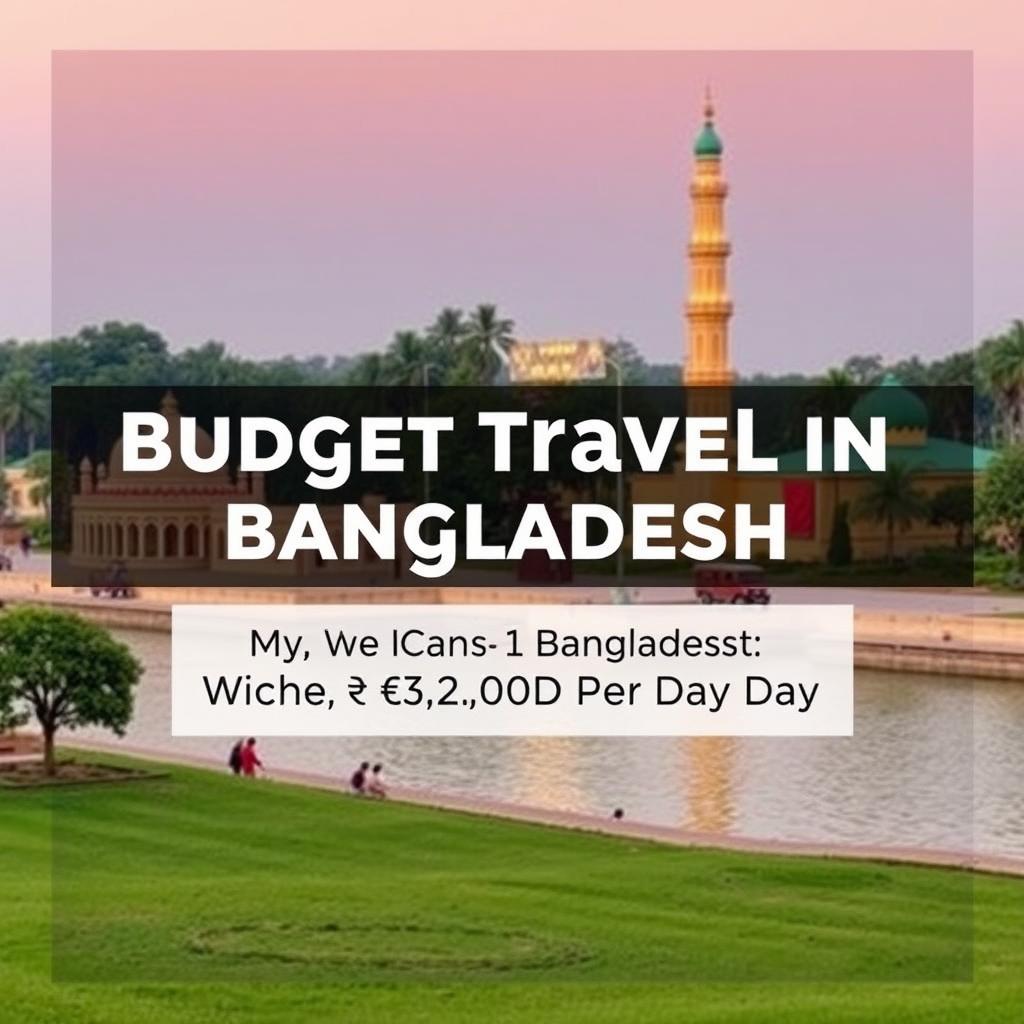
<p>While backpackers flock to Thailand, Vietnam, and Nepal, Bangladesh remains one of Asia's least-visited countries by international tourists — and one of its most affordable. A comfortable daily budget of ৳2,000 (approximately $17 USD) covers accommodation, three meals, local transport, and entry fees to most attractions. For truly frugal travelers, it's possible to travel on ৳1,000-1,200 per day by making strategic choices about where to sleep and eat.</p>
<p>But budget travel in Bangladesh isn't just about saving money — it's often a better travel experience. The cheapest options frequently put you closest to local life: eating at roadside dhabas alongside truck drivers and farmers, riding local buses through villages that tourist coaches bypass, and staying in family-run guesthouses where the owner invites you for tea and conversation. In Bangladesh, budget travel and authentic travel are often the same thing.</p>
<h2>Accommodation: Where to Sleep for Less</h2>
<p>Bangladesh's accommodation spectrum starts at ৳300-500 per night for basic guesthouses in small towns. These are clean but minimal: a bed, a fan, shared bathroom, and not much else. In tourist destinations like Cox's Bazar, Sylhet, and Bandarban, budget rooms with attached bathrooms and air conditioning start at ৳800-1,200 during off-peak seasons.</p>
<p>Government-run rest houses and circuit houses exist in every district headquarters and many sub-districts. Originally built for traveling officials, many now accept public bookings when rooms are available. Rates are remarkably low — ৳300-800 per night for rooms that often include air conditioning, attached bathrooms, and surprising character in colonial-era buildings. Booking requires contacting the district administration office in advance.</p>
<p>For Dhaka stays, the Puran Dhaka and Bangshal areas have guesthouses from ৳500-800 per night that put you in the heart of old Dhaka's culture and chaos. The backpacker hostel concept is slowly emerging — a few hostels near the university area offer dorm beds at ৳300-500 per night. Couchsurfing has an active Bangladesh community, particularly in Dhaka, Chittagong, and Sylhet, offering free stays with local hosts.</p>
<h2>Food: Eating Well for ৳300-500 Per Day</h2>
<p>Bangladesh's street food and local restaurant scene is both delicious and extraordinarily cheap. A full meal of rice, dal, one vegetable curry, and fish at a neighborhood restaurant costs ৳60-100. Breakfast of paratha with egg and cha costs ৳30-50. Afternoon snacks of singara, samosa, or piyaju from street vendors cost ৳5-15 per piece.</p>
<p>The key strategy is eating where locals eat. Look for restaurants with high turnover — a bustling mess hall at lunchtime serves fresh food at the lowest prices. The best local restaurants in any Bangladeshi town are recognizable by their lunch rush: packed between 12:30-2:00 PM with office workers and laborers. Follow the crowd and you'll find quality food at ৳50-80 per plate.</p>
<p>Street food is the budget traveler's best friend. Fuchka — Bangladesh's version of pani puri — costs ৳20-30 for a serving of 6-8 pieces and is found on virtually every street corner in every town. Jhalmuri, a spicy puffed rice snack mixed with onions, chili, and mustard oil, costs ৳15-20 and is a filling afternoon pick-me-up. Chotpoti — a chickpea curry served with tamarind sauce — is ৳20-30 and uniquely Bangladeshi.</p>
<p>Tea culture is central to Bangladeshi life, and cha is available everywhere for ৳5-10 per cup. The neighborhood cha stall is where you'll have your best conversations with locals, learn about hidden attractions, and get recommendations that no guidebook covers. Budget ৳30-50 per day for tea — it's a cultural experience as much as a beverage.</p>
<h2>Transport: Moving Cheaply Across Bangladesh</h2>
<p>Bangladesh's public transport network is extensive, frequent, and remarkably cheap by any international standard. Local buses connect every district and most sub-districts, with fares averaging ৳1.50-2.00 per kilometer. A 300-kilometer intercity bus journey costs ৳400-600 in a non-AC bus or ৳800-1,200 in an AC bus.</p>
<p>Trains offer better comfort at similar prices. Bangladesh Railway operates services across the country, with three classes. Shuvon (third class) is the cheapest at roughly ৳1 per kilometer — a Dhaka to Chittagong journey of 300 kilometers costs about ৳300. Snigdha (air-conditioned chair car) costs ৳600-800 for the same route and is extremely comfortable. Book tickets online at esheba.cbtservice.gov.bd or through the mobile app.</p>
<p>River transport — launches, ferries, and country boats — is often the cheapest and most scenic option. The iconic Dhaka-Barisal overnight launch costs ৳200-500 for deck class or ৳800-1,500 for a private cabin. The journey through the Padma and Meghna rivers at sunset and sunrise is one of Bangladesh's most memorable travel experiences, and doing it in deck class surrounded by fellow passengers, shared meals, and river breezes is travel at its most authentic.</p>
<p>Within cities, CNG auto-rickshaws are the standard transport at ৳20-100 per trip depending on distance. Battery-powered rickshaws are even cheaper at ৳10-30 for short distances. In Dhaka, the metro rail (Line 6) now connects major points along the Mirpur-Motijheel corridor at ৳20-60 per trip — faster and cheaper than any surface transport during rush hour.</p>
<h2>Free and Nearly-Free Activities</h2>
<p>Many of Bangladesh's best experiences cost nothing. Walking through Puran Dhaka's narrow lanes — past centuries-old mosques, Hindu temples, Armenian churches, and crumbling Mughal-era mansions — is free and endlessly fascinating. The Dhaka University campus area, including the Liberation War Museum area and Ramna Park, offers green space and cultural sites at no cost.</p>
<p>Most mosques, including the spectacular Baitul Mukarram National Mosque and the historic Sixty Dome Mosque in Bagerhat (a UNESCO site), are free to enter. Hindu temples, Buddhist monasteries in the Hill Tracts, and churches in old Dhaka all welcome visitors without charge. The only significant entry fees are at national parks and museums — typically ৳20-100 for Bangladeshis and ৳200-500 for foreigners.</p>
<p>Natural attractions are almost entirely free. Beaches at Cox's Bazar, rivers everywhere, tea gardens in Sylhet, wetlands in Sunamganj, and rural landscapes across the country require only the transport cost to reach them. Bangladesh's greatest tourism asset — the warmth and hospitality of its people — is the most valuable free experience of all. Accept invitations for tea, say yes when a family invites you to share a meal, and let conversations with strangers become the highlight of your trip.</p>
<p>While backpackers flock to Thailand, Vietnam, and Nepal, Bangladesh remains one of Asia's least-visited countries by international tourists — and one of its most affordable. A comfortable daily budget of ৳2,000 (approximately $17 USD) covers accommodation, three meals, local transport, and entry fees to most attractions. For truly frugal travelers, it's possible to travel on ৳1,000-1,200 per day by making strategic choices about where to sleep and eat.</p>
<p>But budget travel in Bangladesh isn't just about saving money — it's often a better travel experience. The cheapest options frequently put you closest to local life: eating at roadside dhabas alongside truck drivers and farmers, riding local buses through villages that tourist coaches bypass, and staying in family-run guesthouses where the owner invites you for tea and conversation. In Bangladesh, budget travel and authentic travel are often the same thing.</p>
<h2>Accommodation: Where to Sleep for Less</h2>
<p>Bangladesh's accommodation spectrum starts at ৳300-500 per night for basic guesthouses in small towns. These are clean but minimal: a bed, a fan, shared bathroom, and not much else. In tourist destinations like Cox's Bazar, Sylhet, and Bandarban, budget rooms with attached bathrooms and air conditioning start at ৳800-1,200 during off-peak seasons.</p>
<p>Government-run rest houses and circuit houses exist in every district headquarters and many sub-districts. Originally built for traveling officials, many now accept public bookings when rooms are available. Rates are remarkably low — ৳300-800 per night for rooms that often include air conditioning, attached bathrooms, and surprising character in colonial-era buildings. Booking requires contacting the district administration office in advance.</p>
<p>For Dhaka stays, the Puran Dhaka and Bangshal areas have guesthouses from ৳500-800 per night that put you in the heart of old Dhaka's culture and chaos. The backpacker hostel concept is slowly emerging — a few hostels near the university area offer dorm beds at ৳300-500 per night. Couchsurfing has an active Bangladesh community, particularly in Dhaka, Chittagong, and Sylhet, offering free stays with local hosts.</p>
<h2>Food: Eating Well for ৳300-500 Per Day</h2>
<p>Bangladesh's street food and local restaurant scene is both delicious and extraordinarily cheap. A full meal of rice, dal, one vegetable curry, and fish at a neighborhood restaurant costs ৳60-100. Breakfast of paratha with egg and cha costs ৳30-50. Afternoon snacks of singara, samosa, or piyaju from street vendors cost ৳5-15 per piece.</p>
<p>The key strategy is eating where locals eat. Look for restaurants with high turnover — a bustling mess hall at lunchtime serves fresh food at the lowest prices. The best local restaurants in any Bangladeshi town are recognizable by their lunch rush: packed between 12:30-2:00 PM with office workers and laborers. Follow the crowd and you'll find quality food at ৳50-80 per plate.</p>
<p>Street food is the budget traveler's best friend. Fuchka — Bangladesh's version of pani puri — costs ৳20-30 for a serving of 6-8 pieces and is found on virtually every street corner in every town. Jhalmuri, a spicy puffed rice snack mixed with onions, chili, and mustard oil, costs ৳15-20 and is a filling afternoon pick-me-up. Chotpoti — a chickpea curry served with tamarind sauce — is ৳20-30 and uniquely Bangladeshi.</p>
<p>Tea culture is central to Bangladeshi life, and cha is available everywhere for ৳5-10 per cup. The neighborhood cha stall is where you'll have your best conversations with locals, learn about hidden attractions, and get recommendations that no guidebook covers. Budget ৳30-50 per day for tea — it's a cultural experience as much as a beverage.</p>
<h2>Transport: Moving Cheaply Across Bangladesh</h2>
<p>Bangladesh's public transport network is extensive, frequent, and remarkably cheap by any international standard. Local buses connect every district and most sub-districts, with fares averaging ৳1.50-2.00 per kilometer. A 300-kilometer intercity bus journey costs ৳400-600 in a non-AC bus or ৳800-1,200 in an AC bus.</p>
<p>Trains offer better comfort at similar prices. Bangladesh Railway operates services across the country, with three classes. Shuvon (third class) is the cheapest at roughly ৳1 per kilometer — a Dhaka to Chittagong journey of 300 kilometers costs about ৳300. Snigdha (air-conditioned chair car) costs ৳600-800 for the same route and is extremely comfortable. Book tickets online at esheba.cbtservice.gov.bd or through the mobile app.</p>
<p>River transport — launches, ferries, and country boats — is often the cheapest and most scenic option. The iconic Dhaka-Barisal overnight launch costs ৳200-500 for deck class or ৳800-1,500 for a private cabin. The journey through the Padma and Meghna rivers at sunset and sunrise is one of Bangladesh's most memorable travel experiences, and doing it in deck class surrounded by fellow passengers, shared meals, and river breezes is travel at its most authentic.</p>
<p>Within cities, CNG auto-rickshaws are the standard transport at ৳20-100 per trip depending on distance. Battery-powered rickshaws are even cheaper at ৳10-30 for short distances. In Dhaka, the metro rail (Line 6) now connects major points along the Mirpur-Motijheel corridor at ৳20-60 per trip — faster and cheaper than any surface transport during rush hour.</p>
<h2>Free and Nearly-Free Activities</h2>
<p>Many of Bangladesh's best experiences cost nothing. Walking through Puran Dhaka's narrow lanes — past centuries-old mosques, Hindu temples, Armenian churches, and crumbling Mughal-era mansions — is free and endlessly fascinating. The Dhaka University campus area, including the Liberation War Museum area and Ramna Park, offers green space and cultural sites at no cost.</p>
<p>Most mosques, including the spectacular Baitul Mukarram National Mosque and the historic Sixty Dome Mosque in Bagerhat (a UNESCO site), are free to enter. Hindu temples, Buddhist monasteries in the Hill Tracts, and churches in old Dhaka all welcome visitors without charge. The only significant entry fees are at national parks and museums — typically ৳20-100 for Bangladeshis and ৳200-500 for foreigners.</p>
<p>Natural attractions are almost entirely free. Beaches at Cox's Bazar, rivers everywhere, tea gardens in Sylhet, wetlands in Sunamganj, and rural landscapes across the country require only the transport cost to reach them. Bangladesh's greatest tourism asset — the warmth and hospitality of its people — is the most valuable free experience of all. Accept invitations for tea, say yes when a family invites you to share a meal, and let conversations with strangers become the highlight of your trip.</p>
