Hill Tracts of Bangladesh: Trekking and Culture in Bandarban, Rangamati, and Khagrachhari
April 22, 2026
|
hill-tracts
trekking
bandarban
rangamati
indigenous
<h2>Bangladesh's Hidden Mountain Country</h2>
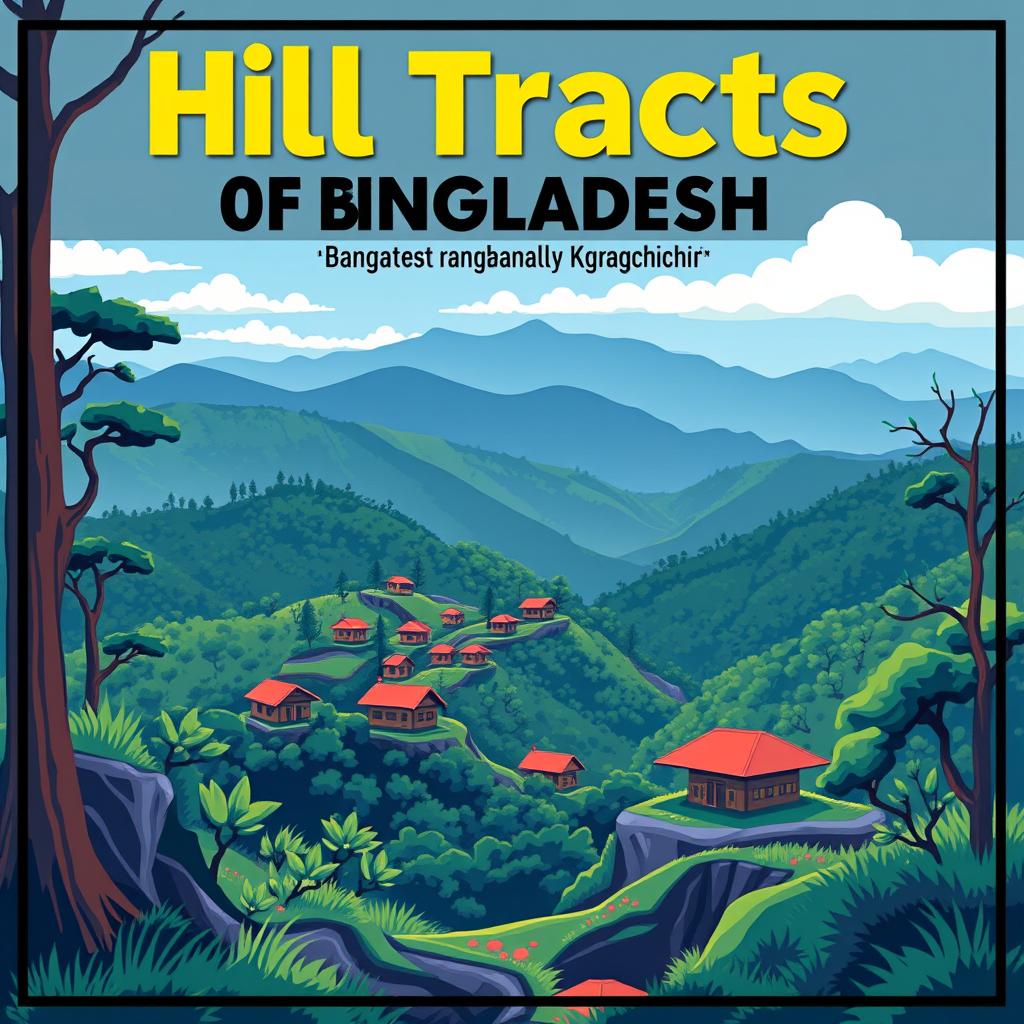
<p>Most people picture Bangladesh as flat river delta country — and for 85% of its territory, they'd be right. But in the southeastern corner, the Chittagong Hill Tracts rise dramatically from the plains, creating a landscape of misty peaks, deep valleys, rushing streams, and bamboo-covered hillsides that feels transported from Southeast Asia. The three Hill Tracts districts — Bandarban, Rangamati, and Khagrachhari — offer trekking, cultural immersion, and natural beauty that rival far more famous Asian destinations at a fraction of the cost.</p>
<p>This region is also home to 11 indigenous ethnic groups — Chakma, Marma, Tripura, Mro, Bawm, Khyang, Lushai, and others — whose cultures, languages, and traditions are distinct from mainstream Bangladeshi Bengali culture. Visiting the Hill Tracts is a journey into cultural diversity that enriches any traveler's understanding of Bangladesh.</p>
<h2>Bandarban: The Adventure Capital</h2>
<p>Bandarban district contains Bangladesh's highest peaks and most challenging treks. Keokradong at 986 meters and Tahjindong (also called Bijoy) at 1,280 meters — Bangladesh's highest point — are the trophy peaks for trekkers. The Chimbuk Hill area, just 26 kilometers from Bandarban town on a paved road, offers accessible panoramic views at 710 meters elevation and is the starting point for many hiking routes.</p>
<p>The trek to Keokradong takes 2-3 days through Mro and Bawm tribal villages, bamboo forests, and steep terrain. Guides are mandatory — both for navigation and because some areas require permits from the local army checkpoint. Professional guides from Bandarban town charge ৳1,500-2,500 per day and arrange overnight stays in tribal homes where you sleep on bamboo floors, eat simple meals of rice, vegetables, and bamboo shoot curry, and experience hospitality that's among the most genuine you'll find anywhere.</p>
<p>For less demanding excursions, Nilgiri at 690 meters is accessible by road and offers a military-operated resort with stunning valley views. Nafakhum waterfall — the widest waterfall in Bangladesh — requires a moderate trek and boat journey through Remakri. The waterfall is especially spectacular during and just after the monsoon when water volume is at its peak.</p>
<h2>Rangamati: Lake Country</h2>
<p>Rangamati district is defined by Kaptai Lake, a massive 11,000-hectare artificial lake created by the Kaptai Dam in 1960. The lake, surrounded by forested hills and dotted with islands, is Bangladesh's most scenic waterway. Speedboat tours of the lake cost ৳2,000-4,000 for 2-3 hours and visit Shuvolong waterfall, tribal villages accessible only by water, and the hanging bridge at Rangamati town.</p>
<p>The Chakma community — the largest indigenous group in the Hill Tracts — has its cultural center in Rangamati. The Chakma Royal Circle Chief's office, traditional weaving centers where women produce the distinctive Chakma textiles on backstrap looms, and the Buddhist monasteries with their distinctive Burmese-influenced architecture are cultural highlights that no visit should miss.</p>
<p>Accommodation in Rangamati ranges from the government-run Parjatan Motel at ৳2,000-3,500 per night to private hotels like Hotel Sufia and Green Hills Resort at ৳1,500-5,000. For a unique experience, some tour operators arrange overnight stays in floating houses on Kaptai Lake — a genuinely special experience as you fall asleep to the gentle rocking of the water and wake to mist rising from the lake surface.</p>
<h2>Khagrachhari: Off the Beaten Path</h2>
<p>Khagrachhari is the least visited of the three Hill Tracts districts, which is precisely its appeal. The Alutila Cave, a 100-meter tunnel through solid rock with a stream flowing through its floor, is an adventure experience unlike anything else in Bangladesh — you wade through knee-deep water in darkness using only torchlight. The Richhang waterfall near Mahalchhari offers a refreshing swimming pool at its base surrounded by pristine forest.</p>
<p>The Tripura and Marma communities in Khagrachhari maintain strong cultural traditions. The spring festival of Bizu (Tripura) and Sangrai (Marma), celebrated around the Bengali New Year in April, features traditional dances, music, and community feasts that visitors are warmly welcomed to join. These celebrations offer an authentic cultural experience impossible to replicate in a tourist setting.</p>
<h2>Practical Information for Hill Tracts Travel</h2>
<p>Foreign nationals require a special permit to visit the Hill Tracts, obtainable from the Deputy Commissioner's office in Dhaka or the respective district headquarters. The permit process takes 1-3 days and is free of charge. Bangladeshi nationals don't need permits but should carry national ID.</p>
<p>Transport to the Hill Tracts is primarily by bus from Chittagong. Bandarban is 92 kilometers from Chittagong in a 2.5-hour bus ride costing ৳150-250. Rangamati is 77 kilometers away in a 2-hour ride. Khagrachhari is 112 kilometers in a 3-hour journey. From Dhaka, overnight buses run directly to all three district towns, taking 8-10 hours and costing ৳800-1,500.</p>
<p>Within the Hill Tracts, local transport is by CNG auto-rickshaw, motorcycle, and chander gari — modified open-air vehicles that navigate the steep hill roads. For remote destinations, hiring a motorcycle with driver is often the only option at ৳800-1,500 per day. Roads vary from good paved highways to rough dirt tracks that become impassable during heavy monsoon rain.</p>
<p>Mobile phone coverage is limited outside district towns. Grameenphone has the best coverage, but expect dead zones on many trekking routes. Inform someone of your trekking itinerary before departing. ATMs are available only in district towns — carry sufficient cash for your entire trip, including emergency funds. Medical facilities are basic outside the towns; carry a comprehensive first aid kit.</p>
<p>Most people picture Bangladesh as flat river delta country — and for 85% of its territory, they'd be right. But in the southeastern corner, the Chittagong Hill Tracts rise dramatically from the plains, creating a landscape of misty peaks, deep valleys, rushing streams, and bamboo-covered hillsides that feels transported from Southeast Asia. The three Hill Tracts districts — Bandarban, Rangamati, and Khagrachhari — offer trekking, cultural immersion, and natural beauty that rival far more famous Asian destinations at a fraction of the cost.</p>
<p>This region is also home to 11 indigenous ethnic groups — Chakma, Marma, Tripura, Mro, Bawm, Khyang, Lushai, and others — whose cultures, languages, and traditions are distinct from mainstream Bangladeshi Bengali culture. Visiting the Hill Tracts is a journey into cultural diversity that enriches any traveler's understanding of Bangladesh.</p>
<h2>Bandarban: The Adventure Capital</h2>
<p>Bandarban district contains Bangladesh's highest peaks and most challenging treks. Keokradong at 986 meters and Tahjindong (also called Bijoy) at 1,280 meters — Bangladesh's highest point — are the trophy peaks for trekkers. The Chimbuk Hill area, just 26 kilometers from Bandarban town on a paved road, offers accessible panoramic views at 710 meters elevation and is the starting point for many hiking routes.</p>
<p>The trek to Keokradong takes 2-3 days through Mro and Bawm tribal villages, bamboo forests, and steep terrain. Guides are mandatory — both for navigation and because some areas require permits from the local army checkpoint. Professional guides from Bandarban town charge ৳1,500-2,500 per day and arrange overnight stays in tribal homes where you sleep on bamboo floors, eat simple meals of rice, vegetables, and bamboo shoot curry, and experience hospitality that's among the most genuine you'll find anywhere.</p>
<p>For less demanding excursions, Nilgiri at 690 meters is accessible by road and offers a military-operated resort with stunning valley views. Nafakhum waterfall — the widest waterfall in Bangladesh — requires a moderate trek and boat journey through Remakri. The waterfall is especially spectacular during and just after the monsoon when water volume is at its peak.</p>
<h2>Rangamati: Lake Country</h2>
<p>Rangamati district is defined by Kaptai Lake, a massive 11,000-hectare artificial lake created by the Kaptai Dam in 1960. The lake, surrounded by forested hills and dotted with islands, is Bangladesh's most scenic waterway. Speedboat tours of the lake cost ৳2,000-4,000 for 2-3 hours and visit Shuvolong waterfall, tribal villages accessible only by water, and the hanging bridge at Rangamati town.</p>
<p>The Chakma community — the largest indigenous group in the Hill Tracts — has its cultural center in Rangamati. The Chakma Royal Circle Chief's office, traditional weaving centers where women produce the distinctive Chakma textiles on backstrap looms, and the Buddhist monasteries with their distinctive Burmese-influenced architecture are cultural highlights that no visit should miss.</p>
<p>Accommodation in Rangamati ranges from the government-run Parjatan Motel at ৳2,000-3,500 per night to private hotels like Hotel Sufia and Green Hills Resort at ৳1,500-5,000. For a unique experience, some tour operators arrange overnight stays in floating houses on Kaptai Lake — a genuinely special experience as you fall asleep to the gentle rocking of the water and wake to mist rising from the lake surface.</p>
<h2>Khagrachhari: Off the Beaten Path</h2>
<p>Khagrachhari is the least visited of the three Hill Tracts districts, which is precisely its appeal. The Alutila Cave, a 100-meter tunnel through solid rock with a stream flowing through its floor, is an adventure experience unlike anything else in Bangladesh — you wade through knee-deep water in darkness using only torchlight. The Richhang waterfall near Mahalchhari offers a refreshing swimming pool at its base surrounded by pristine forest.</p>
<p>The Tripura and Marma communities in Khagrachhari maintain strong cultural traditions. The spring festival of Bizu (Tripura) and Sangrai (Marma), celebrated around the Bengali New Year in April, features traditional dances, music, and community feasts that visitors are warmly welcomed to join. These celebrations offer an authentic cultural experience impossible to replicate in a tourist setting.</p>
<h2>Practical Information for Hill Tracts Travel</h2>
<p>Foreign nationals require a special permit to visit the Hill Tracts, obtainable from the Deputy Commissioner's office in Dhaka or the respective district headquarters. The permit process takes 1-3 days and is free of charge. Bangladeshi nationals don't need permits but should carry national ID.</p>
<p>Transport to the Hill Tracts is primarily by bus from Chittagong. Bandarban is 92 kilometers from Chittagong in a 2.5-hour bus ride costing ৳150-250. Rangamati is 77 kilometers away in a 2-hour ride. Khagrachhari is 112 kilometers in a 3-hour journey. From Dhaka, overnight buses run directly to all three district towns, taking 8-10 hours and costing ৳800-1,500.</p>
<p>Within the Hill Tracts, local transport is by CNG auto-rickshaw, motorcycle, and chander gari — modified open-air vehicles that navigate the steep hill roads. For remote destinations, hiring a motorcycle with driver is often the only option at ৳800-1,500 per day. Roads vary from good paved highways to rough dirt tracks that become impassable during heavy monsoon rain.</p>
<p>Mobile phone coverage is limited outside district towns. Grameenphone has the best coverage, but expect dead zones on many trekking routes. Inform someone of your trekking itinerary before departing. ATMs are available only in district towns — carry sufficient cash for your entire trip, including emergency funds. Medical facilities are basic outside the towns; carry a comprehensive first aid kit.</p>
